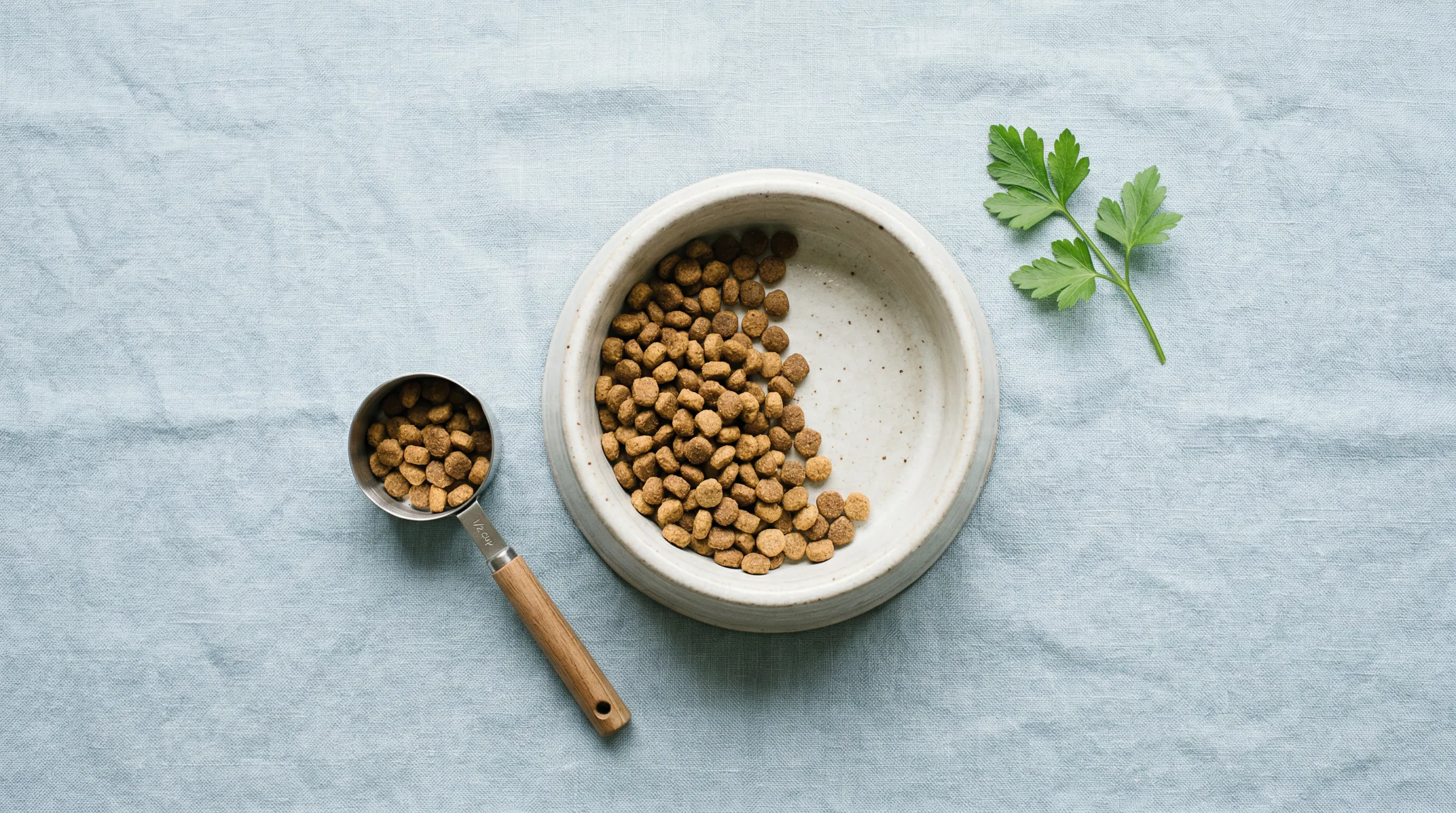
Dog Weight Loss: The Method That Works
The Association for Pet Obesity Prevention's most recent vet survey put the percentage of overweight or obese US dogs at 59%. Here's how to fix it without crash dieting or waiting for canine GLP-1.
Verified April 2026: The Association for Pet Obesity Prevention's 2022 veterinary clinical survey reported that 59% of US dogs are overweight or have obesity. (Their 2024 owner-perception survey shows 35% of owners categorizing their dog as overweight or obese — owners typically under-recognize obesity compared to veterinary assessment.) The proven canine weight loss method is a vet-formulated weight management food combined with measured portions and structured daily exercise. Vets generally recommend safe weight loss at roughly 1-2% of body weight per week. Many owners feed their dogs more calories than needed because they follow the food bag's portion guide rather than calculating ideal-weight calories.
Quick answer by need:
- •Want the best food: Best dog food for weight loss — the top vet-recommended options compared
- •Need a low-fat option for pancreatitis or sensitive stomachs: Low fat dog food guide
- •Not sure if your dog is actually overweight: Free Body Condition Score tool
- •Looking for medication: Ozempic for dogs status — what's actually available and what's coming
How Much Weight Should Your Dog Lose?
Vets generally recommend safe canine weight loss at roughly 1-2% of body weight per week. That's slower than it sounds — a 60-pound overweight dog losing 0.6-1.2 pounds per week would take roughly 6-12 months to reach an ideal 50-pound body weight. Faster weight loss is not better. Crash dieting in dogs can cause muscle loss and other metabolic problems.
| Current Weight | Ideal Weight | Pounds to Lose | Time at 1%/week | Time at 2%/week |
|---|---|---|---|---|
| 20 lbs | 16 lbs | 4 lbs | ~5 months | ~10 weeks |
| 40 lbs | 32 lbs | 8 lbs | ~5 months | ~10 weeks |
| 60 lbs | 48 lbs | 12 lbs | ~5 months | ~10 weeks |
| 80 lbs | 64 lbs | 16 lbs | ~5 months | ~10 weeks |
| 100 lbs | 80 lbs | 20 lbs | ~5 months | ~10 weeks |
The 4-Step Dog Weight Loss Method
- Step 1: Confirm your dog is overweight using the Body Condition Score (BCS). The 9-point BCS scale is what vets use. 4-5 is ideal. 6 is overweight. 7+ is obese. Use our free BCS tool →
- Step 2: Calculate calories for IDEAL weight, not current weight. Feeding for current overweight maintains the overweight. The standard veterinary formula is RER (Resting Energy Requirement) = 70 × (ideal weight in kg)^0.75. For weight loss, vets typically feed at 1.0× RER. Talk to your vet for your dog's specific target.
- Step 3: Switch to a weight management food. Regular dog food has too much calorie density to allow weight loss without leaving your dog hungry. Vet weight management foods reduce calories while maintaining protein and increasing fiber for satiety. See top picks →
- Step 4: Add structured exercise gradually. Two short walks per day for the first 1-2 weeks, then build up. For dogs with joint pain (common in obese dogs), swimming or hydrotherapy is ideal. Consistency matters more than intensity.
Why Dogs Gain Weight (And Why It Matters)
The most common cause of canine obesity is overfeeding. Specifically: feeding the amount listed on the food bag (which is calibrated for active adult dogs at ideal weight, not your specific dog), free-feeding (leaving food out all day), excessive treats (treats should be no more than ~10% of daily calories per veterinary nutrition guidance), table scraps, and feeding 'just one extra cup' over months and years.
Less commonly, weight gain in dogs is caused by underlying conditions: hypothyroidism (more common in middle-aged dogs of certain breeds), Cushing's disease (cortisol overproduction), insulin resistance, or pain that limits exercise. Your vet can run a basic blood panel to rule these out. If your dog has gained weight despite no diet changes and consistent exercise, it's worth a vet visit.
What About Medication?
There is currently no FDA-approved weight loss medication for dogs in the US market. Slentrol (dirlotapide) was approved in 2007 but voluntarily discontinued by Pfizer Animal Health in 2013. The closest things in development are Okava Pharmaceuticals' OKV-119 implant and Akston Biosciences' AKS-562c — both currently in cat trials with dogs planned next. Realistic FDA approval for dogs: 2028-2029 at the earliest. Until then, the answer is the same answer it's been for decades: food + portions + exercise.
Frequently Asked Questions
What is the best dog food for weight loss?+
How quickly should a dog lose weight?+
Can I just feed my dog less of their normal food?+
What human foods are safe for an overweight dog?+
Should I exercise my obese dog more?+
Related
Veterinary disclaimer:This article is for informational purposes only and does not constitute veterinary advice. Always consult a licensed veterinarian before changing your dog's diet, exercise routine, or medication. Information is current as of the publication date but pet pharmaceutical and food formulation details may change.
Looking for human GLP-1 medications instead?
See our 40 verified GLP-1 telehealth providers →